When winter hits Lincoln, NE, temperatures can plummet, making a warm, cozy home a necessity. But staying warm doesn’t have to mean skyrocketing energy bills. Let’s explore how you can keep your home comfortable while ensuring your HVAC system runs efficiently throughout the colder months. Understand Your HVAC System Before the deep freeze sets in, it’s essential to understand how your HVAC system works. Knowing the basics can help you spot potential issues early and keep your system running smoothly. Presumably, your heating system consists of a furnace or heat pump that heats your home and ducts that distribute the warm air. Regular maintenance is key to preventing breakdowns and ensuring efficient operation. Schedule a Professional Tune-Up One of the most effective ways to prepare for winter is by scheduling a professional HVAC tune-up. Our team will inspect your system, clean essential components, and ensure everything is in working order. Regular maintenance can improve efficiency, reduce the risk of emergency repairs, and extend the life of your HVAC system. Seal and Insulate Your Home Keeping warm air inside and cold air out is crucial for both comfort and energy efficiency. Check for drafts around windows and doors and seal any...
View Article

As the temperatures drop in Lincoln, NE, keeping your home warm and comfortable becomes a top priority. However, heating your home during the winter months can also lead to higher energy bills. At , we understand the importance of balancing warmth and efficiency. To help you maintain comfort while saving on energy costs, we’ve put together five expert tips for heating your home efficiently this winter. 1. Schedule Regular HVAC Maintenance One of the most effective ways to ensure your heating system operates efficiently is to schedule regular maintenance. Having your furnace or heat pump checked before winter starts can help identify any potential issues, ensuring that your system runs smoothly throughout the season. A professional technician from can clean filters, inspect the system, and make any necessary repairs to optimize performance. 2. Seal Drafts Around Windows and Doors Cold air entering through gaps around windows and doors can make your home feel much colder than it actually is. Sealing these drafts is a simple yet effective way to keep warm air inside and reduce your heating costs. Consider using weatherstripping or caulking to close any gaps, and make sure your windows are properly insulated to maintain warmth throughout the...
View Article
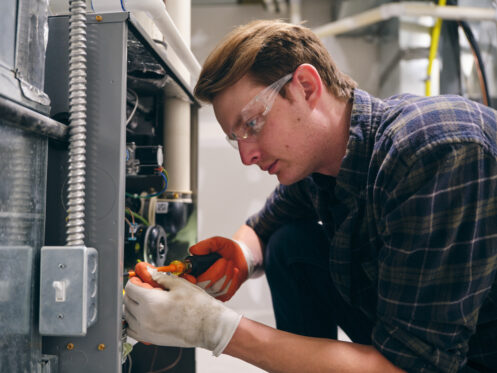
As the colder months approach, it’s essential to ensure that your HVAC system is ready to keep your home warm and comfortable. Properly transitioning your system from cooling to heating not only ensures optimal performance but can also help prevent potential issues down the line. Let’s explore the key steps to prepare your HVAC for the winter season. Clean or Replace the Air Filters The air filters play a crucial role in maintaining indoor air quality and the overall efficiency of your HVAC system. After a long summer of running the air conditioner, your filters may be clogged with dirt and dust, which can restrict airflow. Before switching to heating mode, check your air filters and clean or replace them if needed. This simple step helps ensure efficient operation and can reduce the strain on your system. Check the Thermostat Settings Adjusting your thermostat is a must when preparing for the colder weather. Switch the setting from “cool” to “heat” and test it by setting the temperature a few degrees higher than the current room temperature. If you don’t hear the furnace kick on, there may be an issue with the thermostat or heating system that needs to be addressed....
View Article

As the leaves start to fall and temperatures drop, many homeowners begin to wonder whether covering their air conditioning unit is necessary. At , we understand the importance of protecting your investment, and we’re here to provide clarity on this topic. Benefits of Covering Your AC Unit Covering your AC unit can offer some protection against the elements. Debris such as leaves, twigs, and dirt can accumulate inside the unit, potentially leading to blockages and damage. A cover can help keep these materials out, reducing the need for extensive cleaning come spring. Additionally, if you live in an area prone to harsh winters, a cover can protect your unit from snow and ice, which could lead to rust and other damage. Potential Downsides of Covering However, covering your AC unit isn’t always a foolproof solution. If moisture gets trapped under the cover, it can lead to mold and mildew growth. Furthermore, covering your unit can create a cozy environment for pests, such as rodents, who may seek shelter during the colder months. We recommend using a breathable cover designed for outdoor equipment to mitigate these risks. Manufacturer Recommendations Always check your manufacturer’s guidelines regarding covering your AC unit. Some manufacturers...
View Article
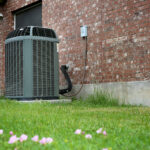
Choosing the proper cooling and heating system is crucial to keeping your home comfortable during hot summers and chilly winters. Many homeowners struggle to decide between a traditional central air conditioning (AC) system and a heat pump. , a reputable HVAC company based in Lincoln, offers expert insights to help you make an informed decision. 1. Heat Pump: Efficient Dual-Functionality A heat pump is a versatile heating and cooling system that works efficiently in moderate climates. It extracts heat from the air outside your home and transfers it inside during winter, effectively heating your living spaces. Heat pumps reverse the process during summer, expelling warm air from your home to keep it cool. On the other hand, traditional central AC systems typically focus solely on cooling your home. They use a refrigerant to absorb heat from indoor air, transferring it outside and leaving the cooled air to circulate through your living spaces. 2. Energy Efficiency: Heat Pump Takes the Lead When it comes to energy efficiency, heat pumps have the upper hand. Since they transfer heat instead of generating it, they can provide up to four times the heating or cooling energy they consume. This results in significant energy savings...
View Article

Indoor air pollutants are a major cause of health concerns like allergies, asthma, and other breathing illnesses among homeowners. While taking measures like managing your home’s humidity levels or using non-toxic cleaning products is essential, another key component of promoting indoor air quality is understanding what pollutants are in your home. Let’s examine the four major indoor air pollutants and how to protect yourself and your family. 1. Volatile Organic Compounds Volatile organic compounds (VOCs) are molecules of carbon and other elements like hydrogen, oxygen, fluorine, chlorine, and sulfur. VOCs, come from many sources, including paint, pesticides, furniture polish, perfumes, and cleaning supplies. They can also be emitted by burning wood or gas for cooking or heating. VOCs are dangerous because they can cause eye irritation and dizziness when inhaled in large amounts over a long period. 2. Carbon Monoxide Carbon monoxide (CO) is an odorless gas produced when fuel is burned incompletely due to inefficient combustion. Sources of CO include faulty boilers or heaters and vehicles with faulty exhaust systems nearby. Carbon monoxide is extremely dangerous because it can build up quickly in confined spaces, leading to dizziness, nausea, and even death if inhaled in high concentrations for long...
View Article
As the weather outside gets colder, you’ll want to make sure your heat pump is properly winterized. A heat pump that isn’t winterized is susceptible to a variety of issues, including frozen coils, a cracked heat exchanger, and damaged compressor valves. Not only can these issues be costly to repair, but they can also lead to your heat pump breaking down entirely. Read on to learn some ways to prepare your heat pump for winter. 1. Check the Outdoor Unit of Your Heat Pump The outdoor unit of your heat pump gets exposed to the elements, so it’s important to check it regularly to make sure there is no build-up of snow or ice. If you notice any snow or ice on the unit, be sure to remove it as soon as possible. 2. Inspect the Indoor Coil The indoor coil is responsible for transferring heat from the air inside your home to the refrigerant inside the heat pump. It’s important to inspect the coil regularly and clean it if necessary. A dirty coil can reduce the efficiency of your heat pump and cause it to work harder than necessary. 3. Check the Filters The filters in your heat pump...
View Article

When was the last time your air conditioner was serviced? Your AC unit works hard to keep your home comfortable during the summer. You never want to risk your AC breaking down during the hottest days of the year. Professional technicians recommend scheduling regular service about once a year to keep your air conditioner at peak efficiency. Annual AC Service Air conditioners often need to be serviced annually to optimally prolong their lifespans. If you have an older unit, more frequent service may be necessary to keep it efficiently producing cool air. The best time to schedule professional service is in the spring. You’ll be able to rest assured knowing your unit is ready to tackle the coming summer heat. Protect your AC unit from serious damage by scheduling annual service with your local HVAC company. Taking care of your AC unit will prolong its usefulness and keep your utility bills manageable in the summer. An HVAC expert can easily clean your unit’s filter and remove any grime or buildup. They also clear out your condensate line and check for clogs or debris that may be causing water leaks or internal damage. An AC unit is made of a variety...
View Article
Many people in Lincoln rely on their HVAC systems to keep their homes comfortable throughout the year. However, if your AC unit freezes up, it can be challenging to get it working properly again. Here are four things to do when that happens. 1. Turn the Thermostat From Cool to Off The first thing you should do is turn the thermostat from COOL to OFF. This will help prevent the unit from working harder to try and cool the air, which can cause further damage. Because the refrigerant is much cooler than normal, it might kill the condenser, which should receive it as a superheated gas instead of a cold liquid. 2. Turn the Fan On You should turn on the fan setting to help prevent the AC unit from freezing up more and will also circulate the air in your home. If you have a lot of ice buildup on your AC unit, you may need to turn the fan setting to the “High” position. This will help thaw the ice and prevent it from building up again. 3. Cleaning and Replacing the Return Air Filters Cleaning or replacing your return air filters is one of the most important...
View Article
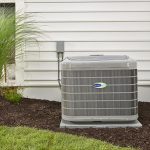
You want to get the most out of your HVAC investment because replacement is costly. You may be aware of the estimates that experts give for the life span of HVAC systems. For example, your average heat pump can last anywhere from 15 to 20 years, gas and electric furnaces can last around 15 years, a little less for oil furnaces, and around 30 years for ductless mini-splits. Remember that these are estimates, and your system may run for a shorter or longer time based on the following factors. Amount of Maintenance As a homeowner, do you make sure to change the air filter in the return vent of your central heating and AC system? If you neglect this maintenance task, you’ll let the airflow get constricted, putting strain on the motor and shortening the system’s life span. More broadly, you can’t ignore your HVAC system’s need for professional maintenance. Have a technician come over twice a year just before the cooling and heating season to inspect your unit and address any problems that are wearing it down. This way, your system can run for two or three decades as it’s meant to. Climate Location, climate, and even the amount...
View Article